
How To Prevent Cavities With Your Kids
Cavities are one of the most common health problems kids face today. The good news is that most cavities can be prevented with a few simple habits. As a parent, you play the biggest role in helping your child build a healthy smile that lasts a lifetime.
Here is what you need to know to keep those little teeth strong and cavity-free.
Start Oral Care Early
Many parents wait until their child has a full set of teeth before worrying about dental care. This is actually too late. You should start cleaning your baby's gums with a soft cloth even before the first tooth comes in. Once teeth appear, switch to a small, soft-bristled toothbrush made for infants.
Starting early helps your child get used to the feeling of having their teeth cleaned. It also allows you to catch any early signs of decay before they become bigger problems.
Brush Twice a Day the Right Way
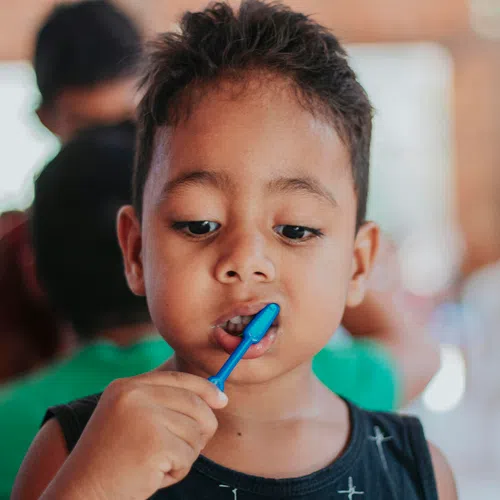
Brushing twice a day is one of the simplest ways to prevent cavities. Kids need help brushing properly until they are around seven or eight years old. Their small hands often cannot control a toothbrush well enough to clean every surface.
Use a pea-sized amount of fluoride toothpaste for children over three years old. For kids younger than that, a smear about the size of a grain of rice is enough. Make sure your child brushes for two full minutes, covering the front, back, and chewing surfaces of every tooth.
Do Not Forget to Floss
Flossing removes food particles and plaque from between teeth where a toothbrush cannot reach. Once your child has two teeth that touch each other, it is time to start flossing. This usually happens around age two or three.
Flossing may feel tricky at first, but sticking with it helps prevent cavities from forming between teeth, which is a common spot for decay in kids.
Watch What Your Kids Eat and Drink
Sugar is one of the biggest causes of cavities. When sugar sits on teeth, it feeds the bacteria in your child's mouth, which then produce acid that wears away tooth enamel. This process leads to cavities over time.
Try to limit sugary snacks, candy, and sodas. Pay close attention to hidden sugars in juice, flavored milk, and packaged snacks. Water and milk are the best drink choices for your child's teeth. If your child does eat something sugary, encourage them to drink water afterward to help rinse their mouth.
Schedule Regular Dental Checkups
Visiting the dentist regularly is one of the best ways to catch problems early. Most dentists recommend that children see a dentist by their first birthday or within six months of their first tooth coming in.
Regular checkups allow your dentist to spot early signs of decay, apply fluoride treatments, and give your child a professional cleaning. Dentists can also apply dental sealants to your child's back teeth. Sealants act as a protective coating that blocks out food and bacteria, lowering the risk of cavities in those hard-to-reach molars.
Make Oral Care Fun
Kids are more likely to stick with good habits when they enjoy them. Let your child pick out their own toothbrush and toothpaste flavor. Play a favorite song while they brush to make sure they brush for the full two minutes. You can also use reward charts to celebrate consistent brushing and flossing.
When oral care feels like a fun part of the day instead of a chore, kids are more likely to keep up the habit as they grow older.
Lead By Example
Children learn by watching their parents. If they see you brushing and flossing regularly, they are more likely to follow your lead. Make oral care a family activity by brushing together each morning and night. This not only reinforces good habits but also gives you a chance to check that your child is brushing properly.
Help Your Child Build a Healthy Smile
Protecting your child's smile does not have to be complicated. With consistent brushing, flossing, a healthy diet, and regular dental visits, you can help your child avoid painful cavities and build habits that will protect their teeth for years to come.