What Does A Root Canal Do?
If your dentist just told you that you need a root canal, you might feel a little nervous. Many people have heard scary stories about this procedure, but the truth is much less frightening than the rumors. A root canal is actually a treatment that saves your tooth and stops your pain, rather than causing it.
Let's break down what a root canal really does and why it might be the best option for your smile.
Understanding The Inside Of Your Tooth
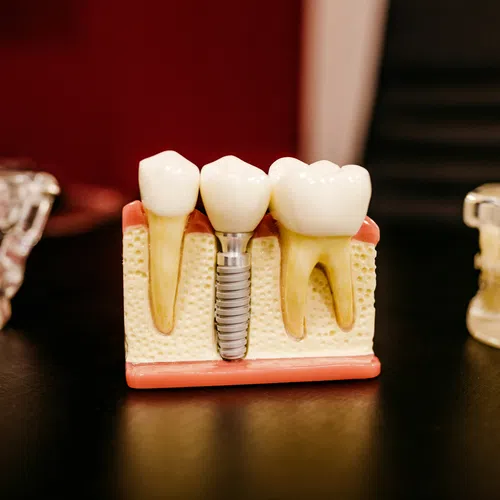
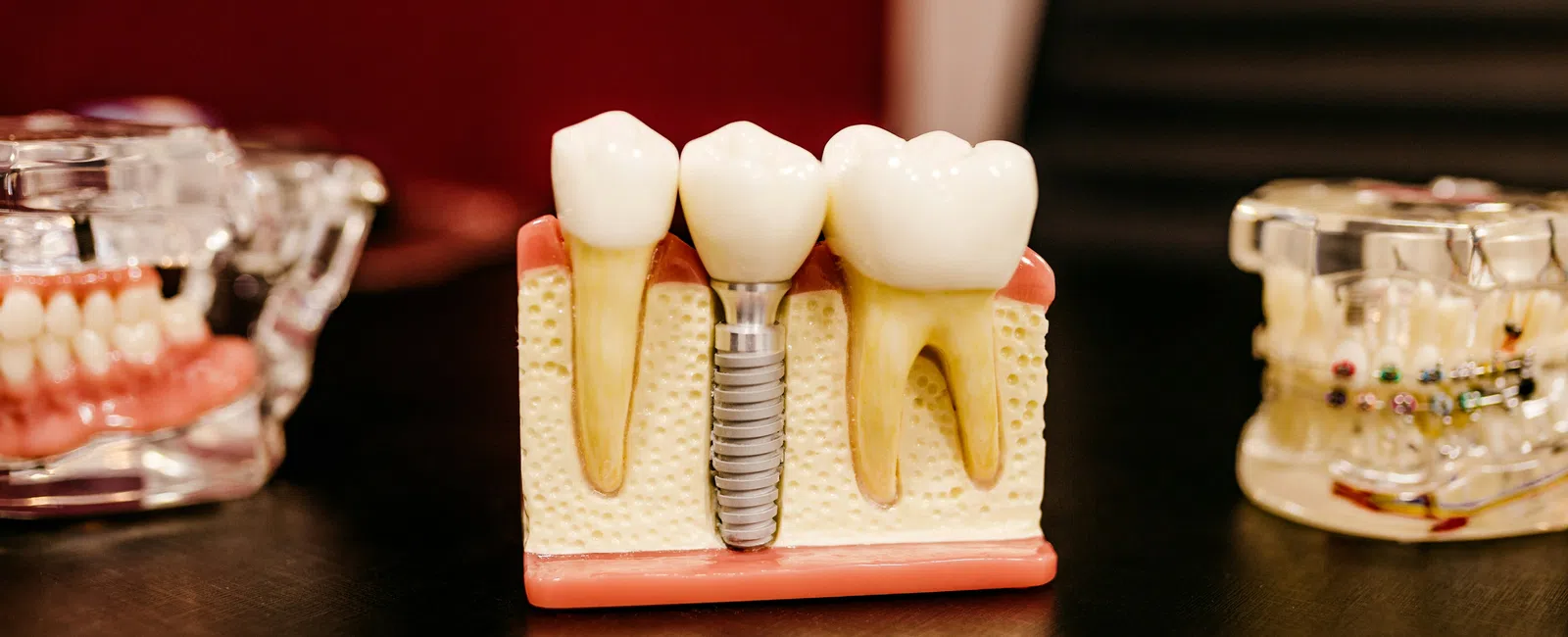
To understand a root canal, it helps to know a little about how your tooth is built. Each tooth has a hard outer layer called enamel. Underneath that is a layer called dentin. In the very center of the tooth is a soft area called the pulp.
The pulp contains nerves, blood vessels, and connective tissue. This part of the tooth helped it grow when you were younger. Once a tooth is fully grown, it can survive without the pulp because the surrounding tissues continue to nourish it.
Why The Pulp Gets Damaged
Sometimes bacteria sneak into the pulp through a deep cavity, a crack, or a chip in the tooth. Once bacteria get inside, they can cause an infection. This infection can lead to serious pain, swelling, and even an abscess, which is a pocket of pus that forms at the root of the tooth.
If this infection is not treated, it can spread to the jawbone and other areas of the face. In some cases, it can even become dangerous to your overall health. This is why dentists take infected pulp very seriously.
What Happens During The Procedure
A root canal treatment removes the infected or damaged pulp from inside the tooth. First, your dentist numbs the area so you do not feel pain during the procedure. Then they create a small opening in the top of the tooth to reach the pulp chamber.
Using special tools, your dentist carefully removes the infected pulp from the canals inside the tooth. After the area is cleaned out, they disinfect the space to kill any remaining bacteria. The empty space is then filled with a rubber-like material to seal it and prevent future infection.
Finally, your dentist will likely place a crown or filling on top of the tooth. This protects the tooth and helps it function normally again when you chew and speak.
Why Saving The Tooth Matters
You might wonder why your dentist does not just pull the tooth instead. Keeping your natural tooth has many benefits. Natural teeth help you chew food properly, speak clearly, and maintain the shape of your face.
When a tooth is removed, nearby teeth can shift out of place over time. This can lead to bite problems and even more dental work down the road. A root canal allows you to keep your natural tooth and avoid these extra complications.
Does It Really Hurt?
This is probably the biggest question on your mind. The good news is that modern dentistry has come a long way. With numbing medication, most people feel little to no pain during the procedure itself.
In fact, the pain you feel from an infected tooth before the treatment is usually much worse than any discomfort during or after the root canal. Many patients report feeling relief once the infected pulp is removed because the pressure and pain from the infection go away.
After the procedure, you might feel some soreness for a few days. This is normal and can usually be managed with over-the-counter pain medication.
Signs You Might Need This Treatment
Several symptoms can point to a need for a root canal. These include:
- Severe tooth pain when chewing or applying pressure
- Sensitivity to hot or cold that lingers for a long time
- Swelling and tenderness in the gums near the tooth
- A small pimple-like bump on the gums
- Darkening or discoloration of the tooth
If you notice any of these signs, it is important to see your dentist as soon as possible. Catching the problem early can make treatment easier and help save your tooth.
What Happens If You Skip Treatment
Ignoring an infected tooth will not make the problem go away. The infection can continue to spread and cause more damage to the surrounding bone and tissue. Over time, this can lead to tooth loss and more serious health problems.
Treating the issue with a root canal stops the infection in its tracks and protects the rest of your mouth from further harm.
Caring For Your Tooth Afterward
After your root canal, it is important to take good care of your tooth. Keep up with regular brushing and flossing. Avoid chewing on hard foods with the treated tooth until your dentist gives you the green light.
Visit your dentist for regular checkups so they can monitor how the tooth is healing. With proper care, a tooth that has had a root canal can last for many years, sometimes even a lifetime.
A root canal might sound intimidating, but it is really just a way to fix a problem and protect your smile. Instead of fearing the procedure, think of it as a solution that relieves pain and saves your natural tooth for the future.